History
19th Century
The Golden Age of the Piano
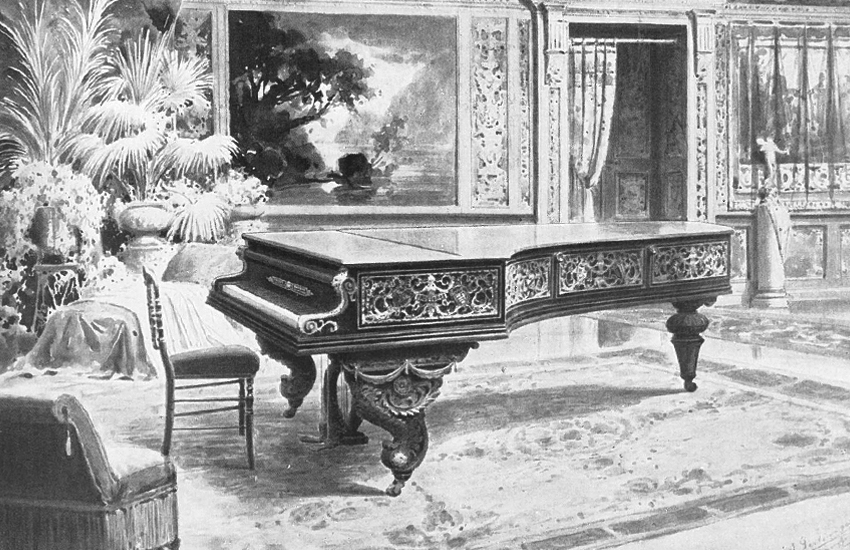
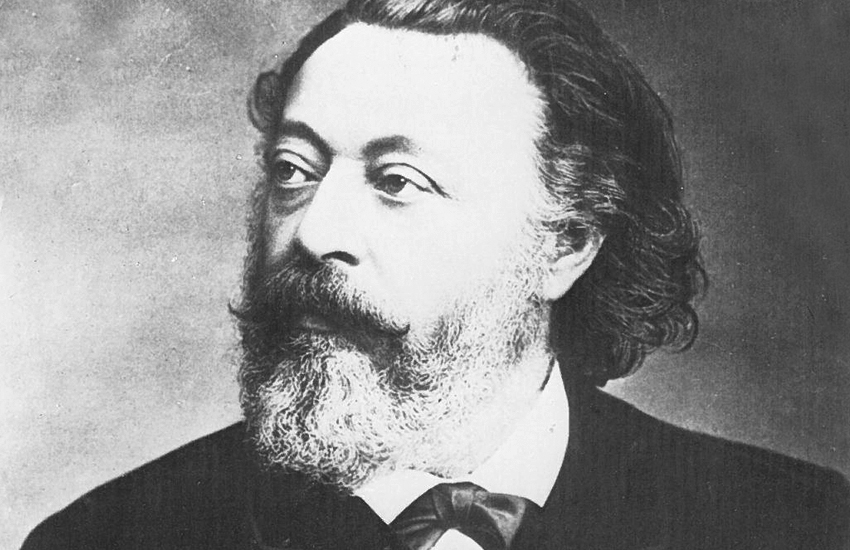
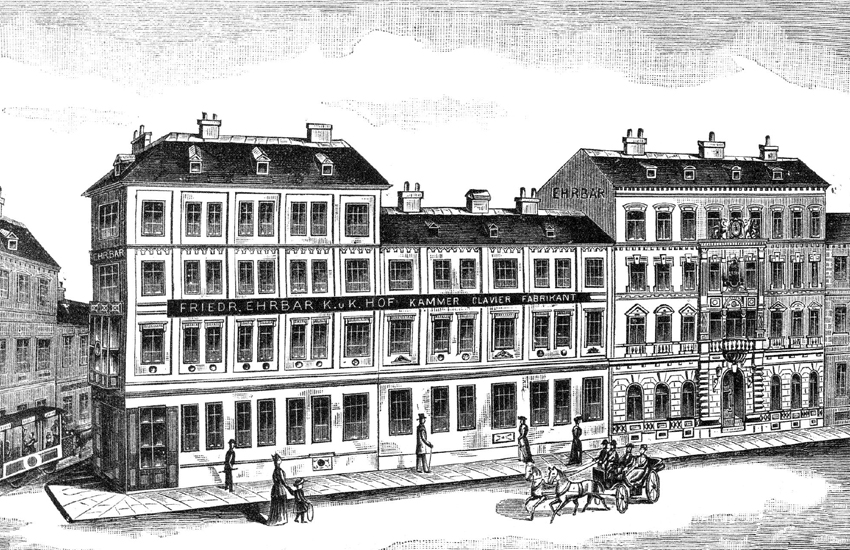
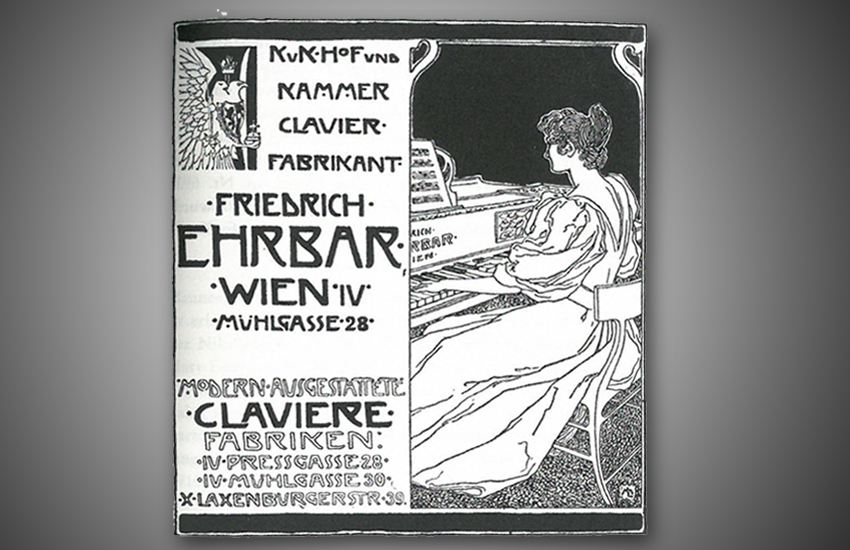
In the mid-19th century, the rising interest of the bourgeoisie in musical performances created a surging demand for concert halls in Vienna. This market niche was primarily recognized by piano makers; as the piano became the centerpiece of the musical scene, it entered a golden age, leading to the establishment of numerous manufacturers across the city. A few distinguished themselves through exceptional quality – most notably the successful Imperial and Royal Court and Chamber piano manufacturer, Friedrich Ehrbar.
1876
The Foundation Stone
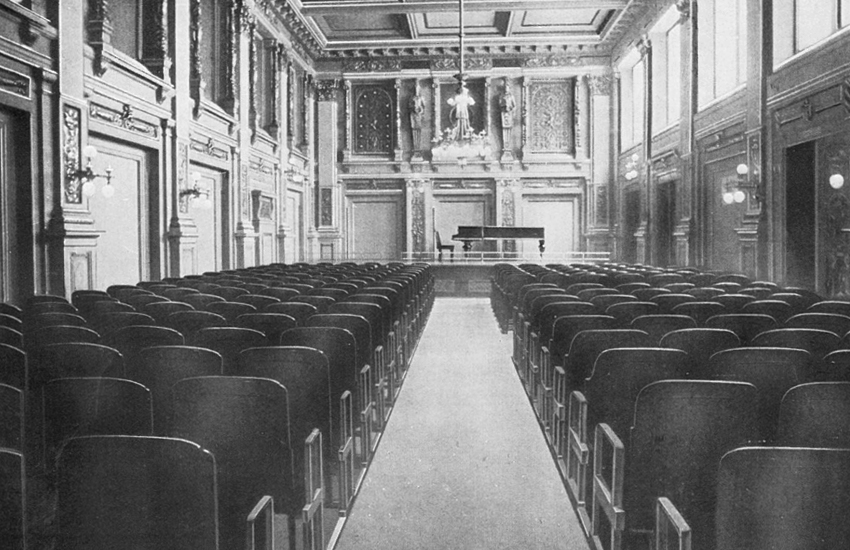
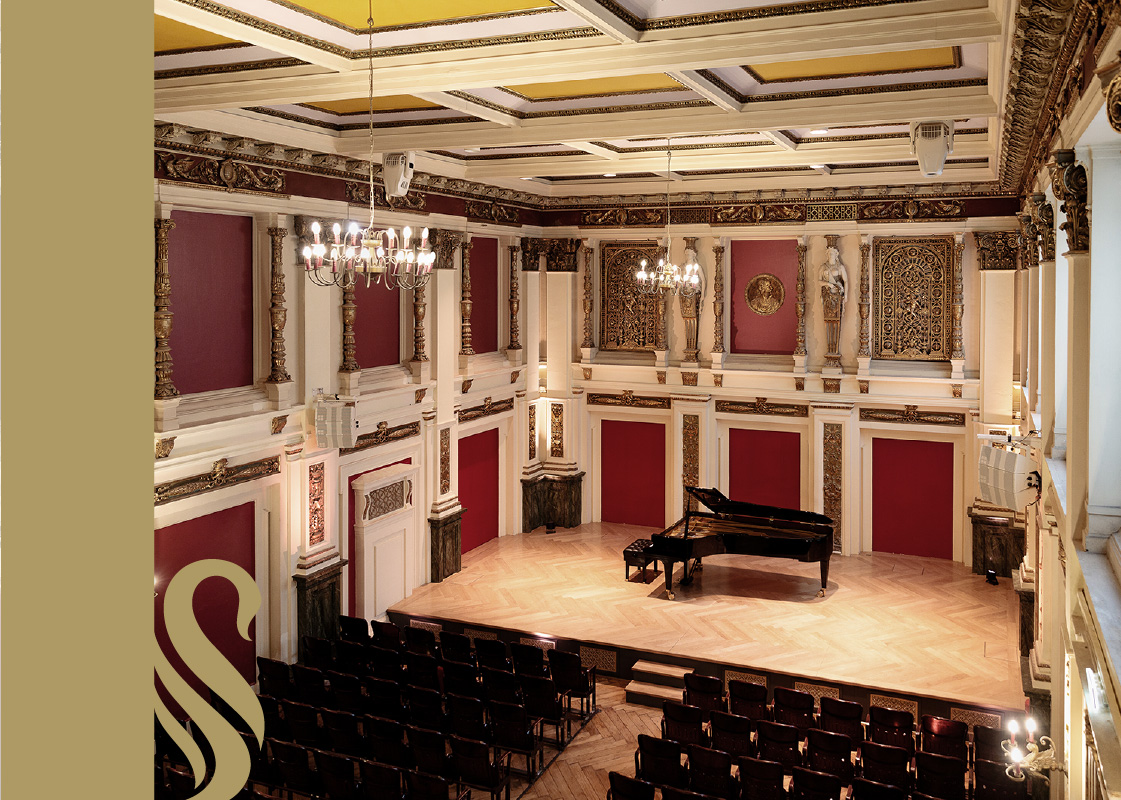
In 1876, Friedrich Ehrbar commissioned architect Julius Schrittwieser to design the Ehrbar Saal. On 28 August of that year, the foundation stone was laid at Mühlgasse 28 in Vienna’s 4th district. What followed was the creation of an acoustically perfect concert hall for approximately 400 guests – an architectural masterpiece in the style of the Italian High Renaissance with a distinct Roman influence.
29 December 1877
The First Applause
" [...] “[...] An artistically minded and elegant audience filled the beautiful hall, whose tasteful and noble décor was met with nothing but admiration... The audience never tired of applauding throughout the concert; and if this beginning is a foreshadowing of the future, then brilliant success will surely remain a permanent fixture in this hall.” – Die Presse, 30 December 1877
Until 1911
The First Successes
Friedrich Ehrbar created a sanctuary for the arts – a space where artists converged, enriched one another’s creativity, and shared their masterpieces with the Viennese public. The hall became a stage for legendary figures, most notably Johannes Brahms, Pietro Mascagni, Anton Bruckner, Gustav Mahler, Béla Bartók, Max Reger, and Arnold Schönberg, among many others.
1919
Return & Sale
The World Wars did not spare the Ehrbar Saal. Over the years, it was misappropriated for various purposes, serving as a military hospital, a storage facility, an animal stable, a furniture warehouse, and an art auction house. As the political climate stabilized, efforts were made to swiftly resume concert operations.
In 1919, the entire building was sold. During the interwar period, Marcel Rubin sought to establish a concert series dedicated to contemporary music. Unfortunately, the estate and archives of the Ehrbar Saal are considered lost, making it impossible to fully reconstruct the building’s complete history and artistic legacy.
1946
The Reopening
Following the Second World War, the music rooms and halls were meticulously restored to their original splendor. The protective coverings were removed, revealing the historically significant gilded stucco. The ceremonial reopening of the Ehrbar Saal took place in 1946, marked by a festive concert performed by the Vienna Philharmonic Orchestra under the baton of Rudolf Moralt.
2000
Conservatory & Concert Hall
Since their reopening, the Ehrbar Saal and the Kleine Ehrbar Saal have been used almost exclusively by a conservatory. In 2000, the halls began to reclaim their place as vibrant venues for public performances – much to the delight of the Viennese concert-going public. This revival was made possible in part by the Stadtinitiative Wien and various other organizers.
2021
The Ehrbar Saal & the C. Bechstein Piano Manufactory
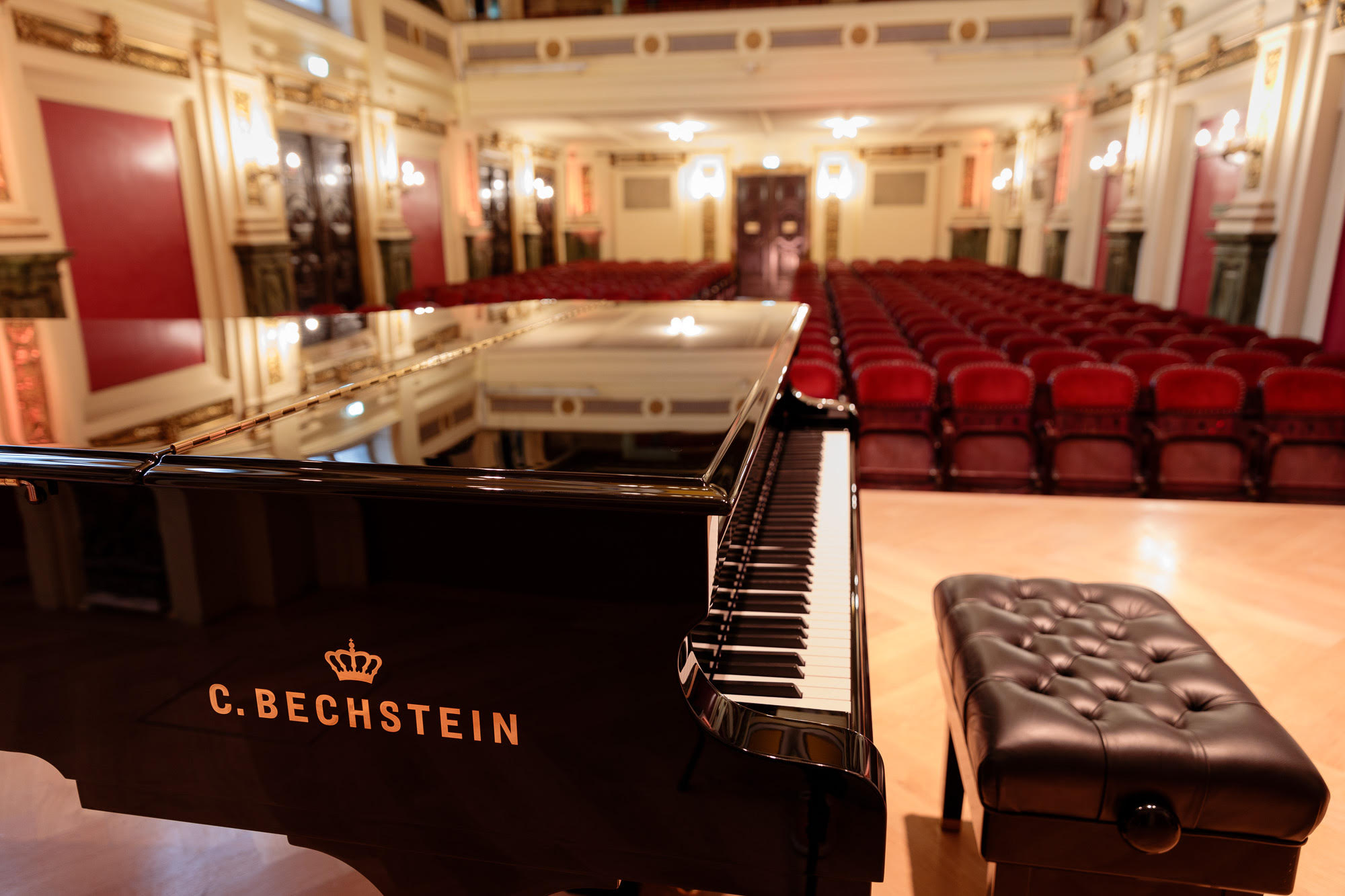
In May 2021, the renowned piano manufacturer C. Bechstein took over the Ehrbar Saal and its surrounding facilities. This marked the beginning of the most extensive restoration in 140 years, carried out under the strictest monument protection regulations and led by architect Dipl.-Ing. Reinhardt Gallister. Today, the Ehrbar Saal is being re-established as a premier venue within the Viennese cultural landscape, once again filled with a vibrant and diverse concert program.

2022
New Corporate Identity
The new corporate design was inspired by a unique architectural detail commissioned by Friedrich Ehrbar: thirteen pairs of golden swans, each guarding a musical note, frame the Ehrbar Saal. This exquisite motif was intended to symbolize a sanctuary – a protected space where music can truly flourish.

C. Bechstein Piano Manufactory:
History and Tradition
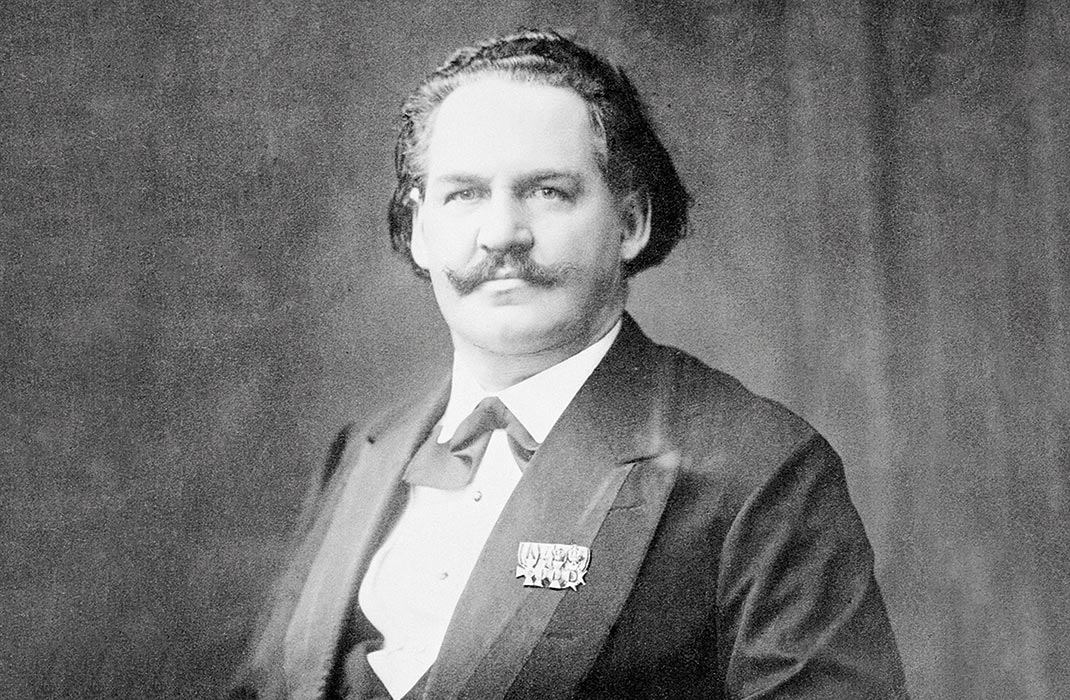
Friedrich Wilhelm Carl Bechstein
Berlin, 1853: A 27-year-old instrument maker named Friedrich Wilhelm Carl Bechstein – hailing from Gotha and the nephew of the renowned Thuringian writer and folklorist Ludwig Bechstein – decides to transform the fairy tale of his life into reality. Or perhaps, more accurately: his vision. He establishes his very own workshop.